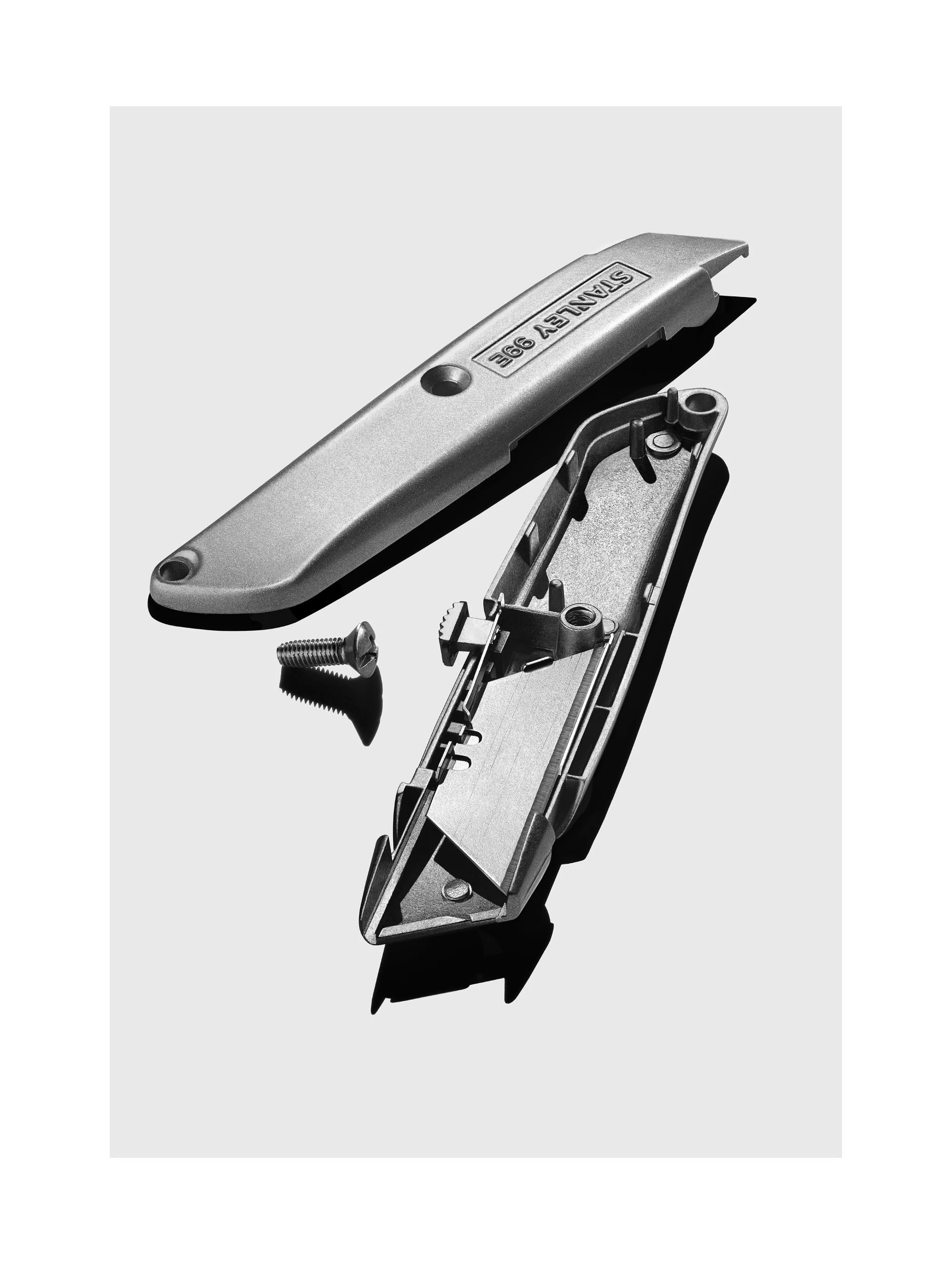
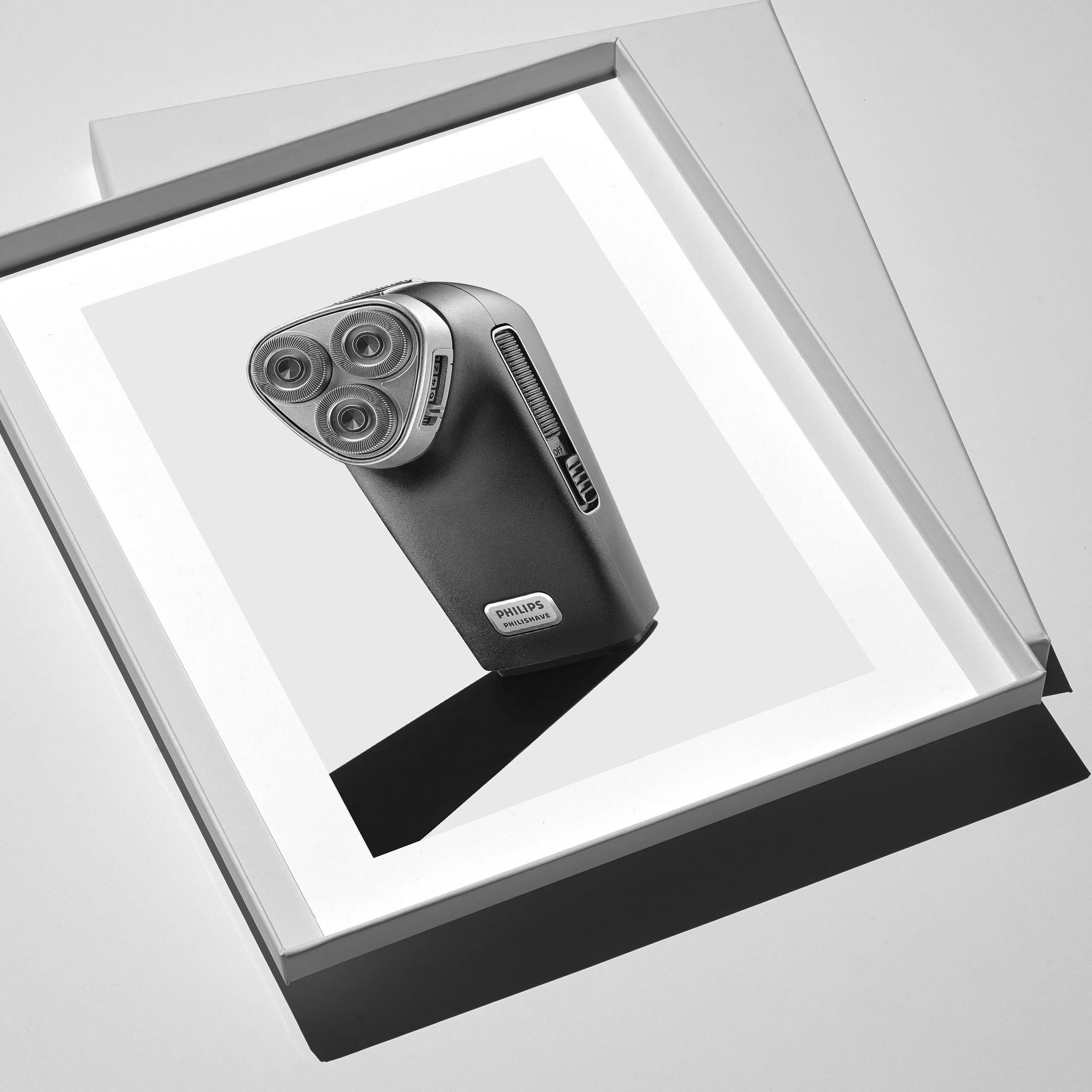
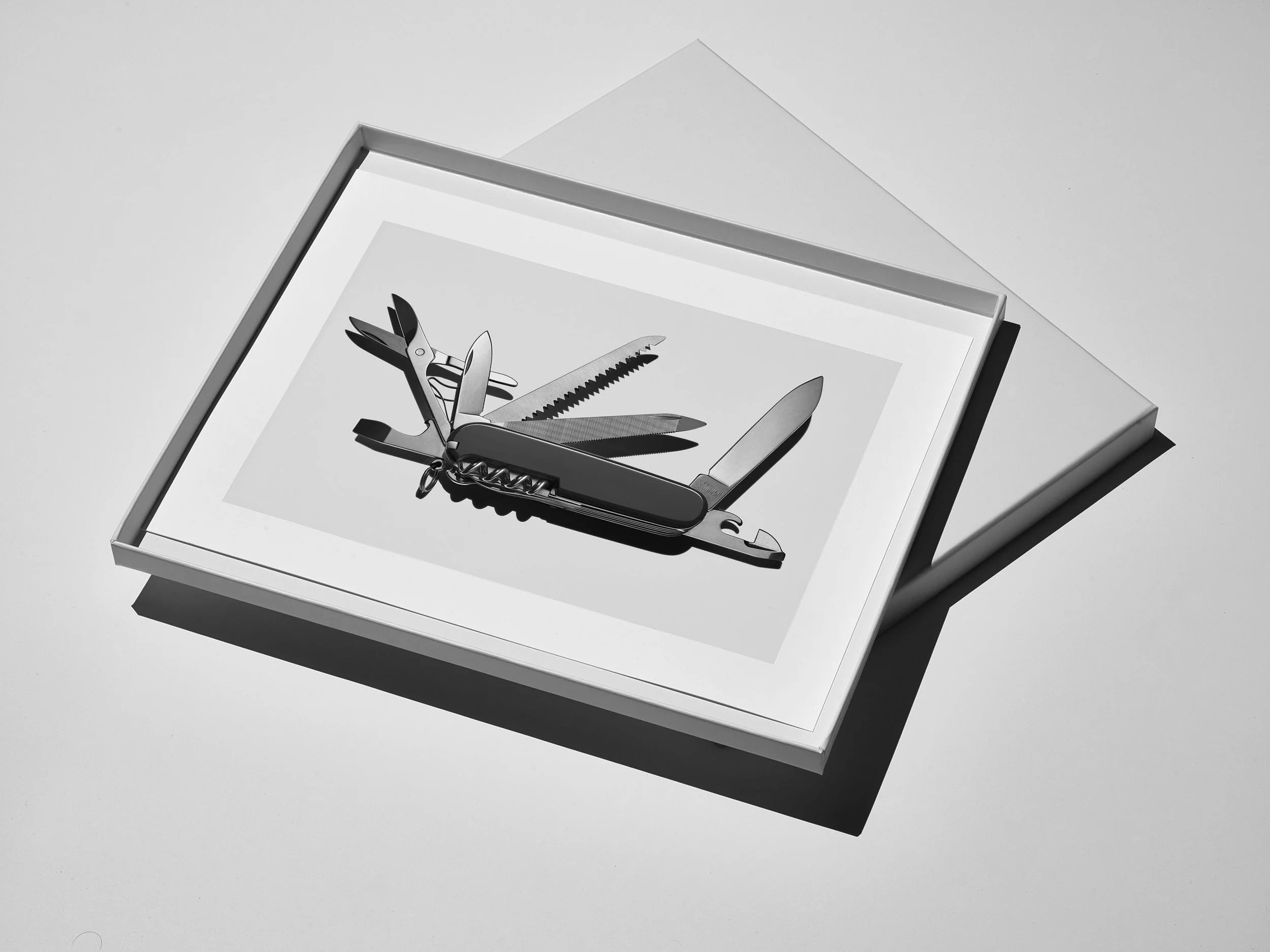
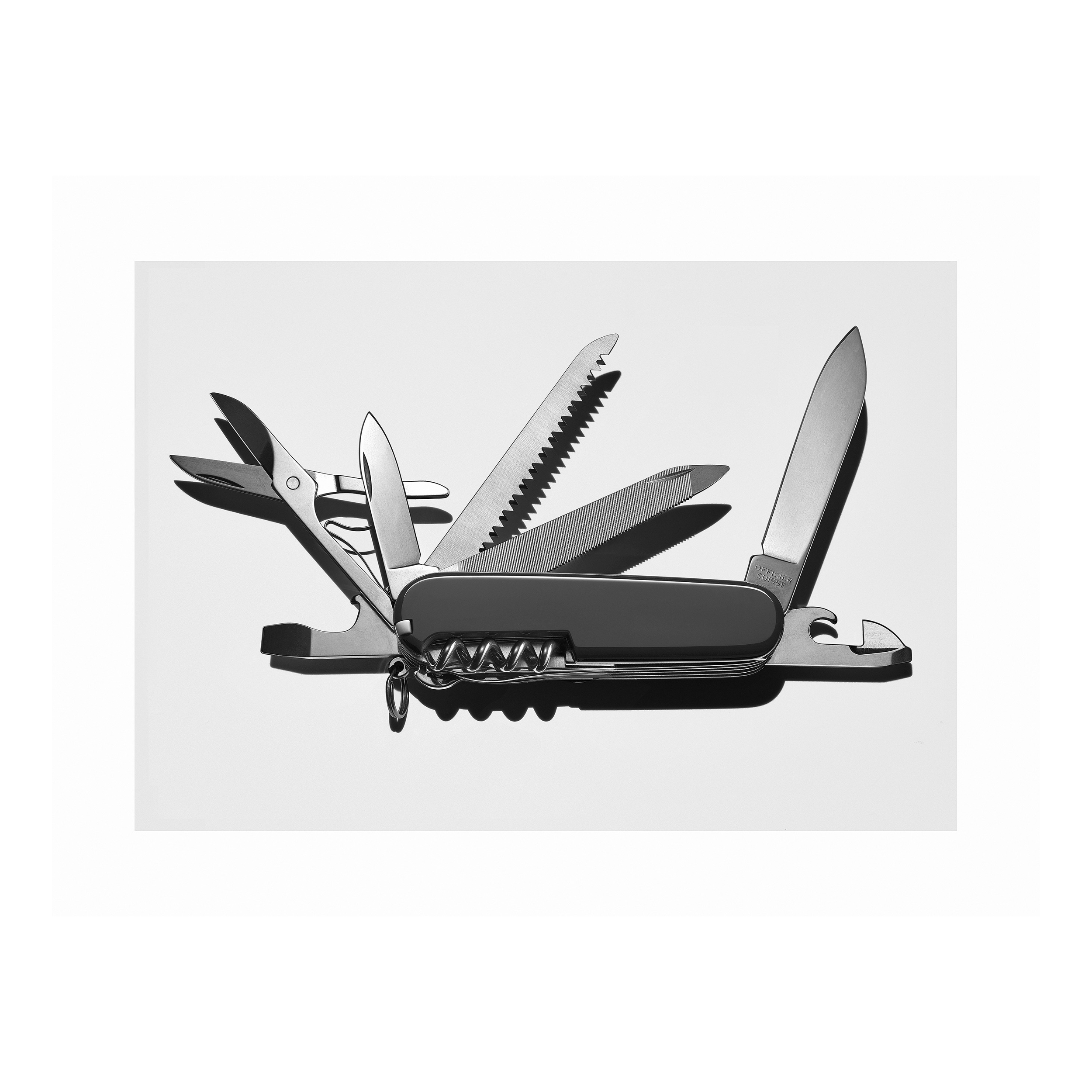
 Image 1 of 2
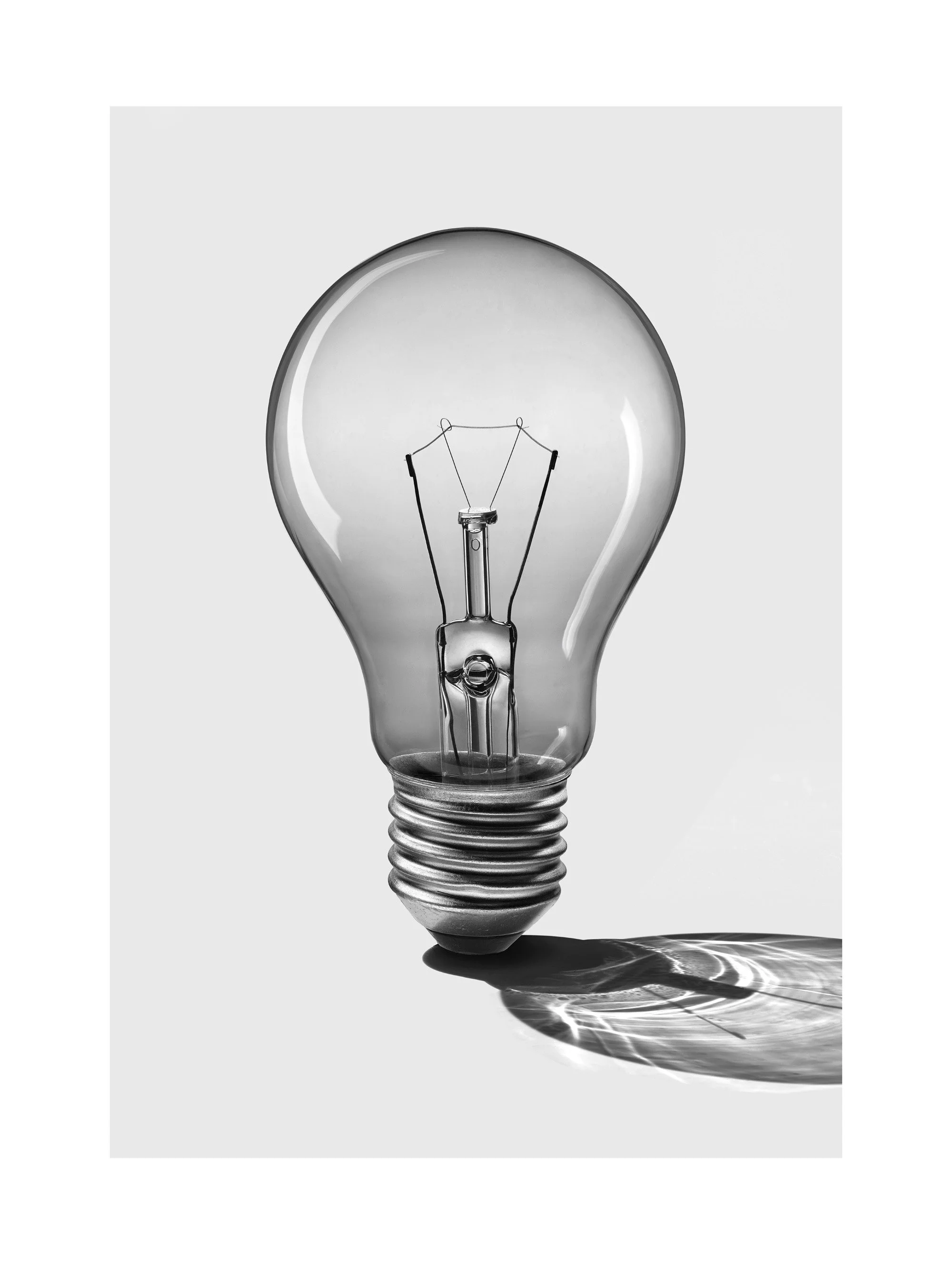 Image 2 of 2
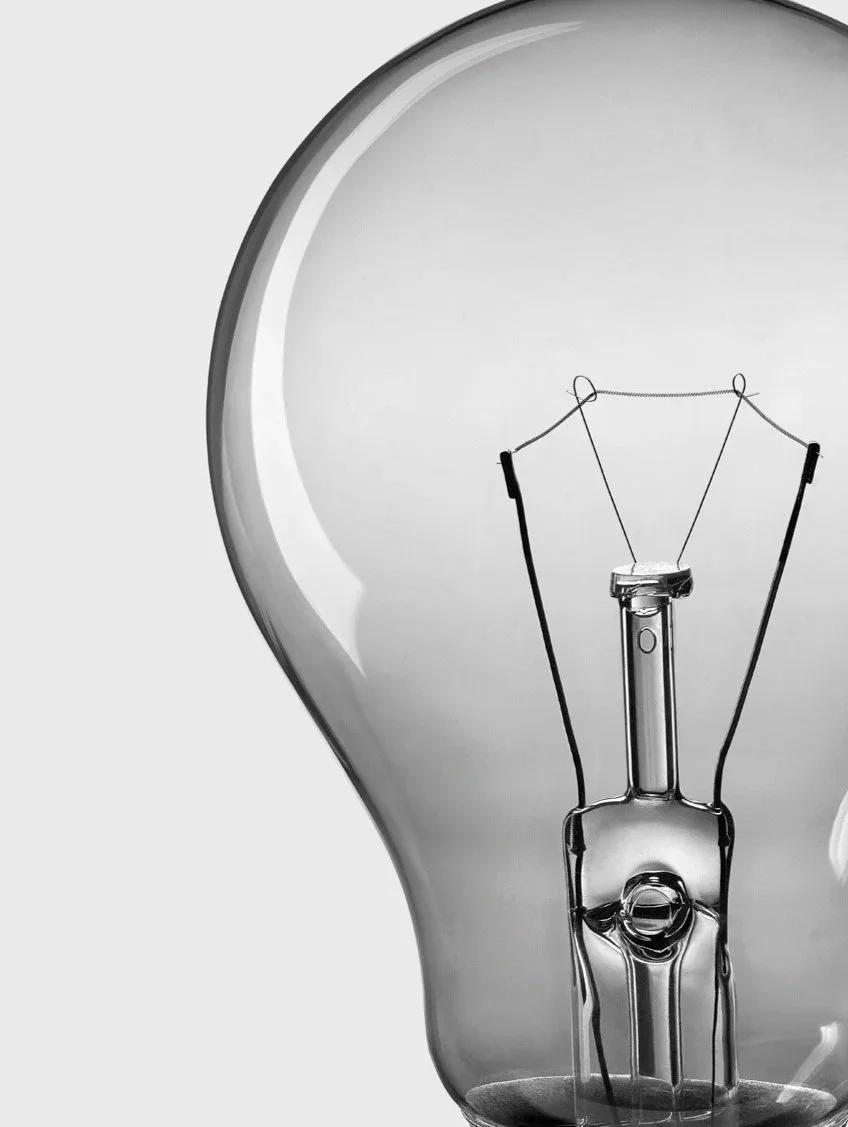
THE ICON:
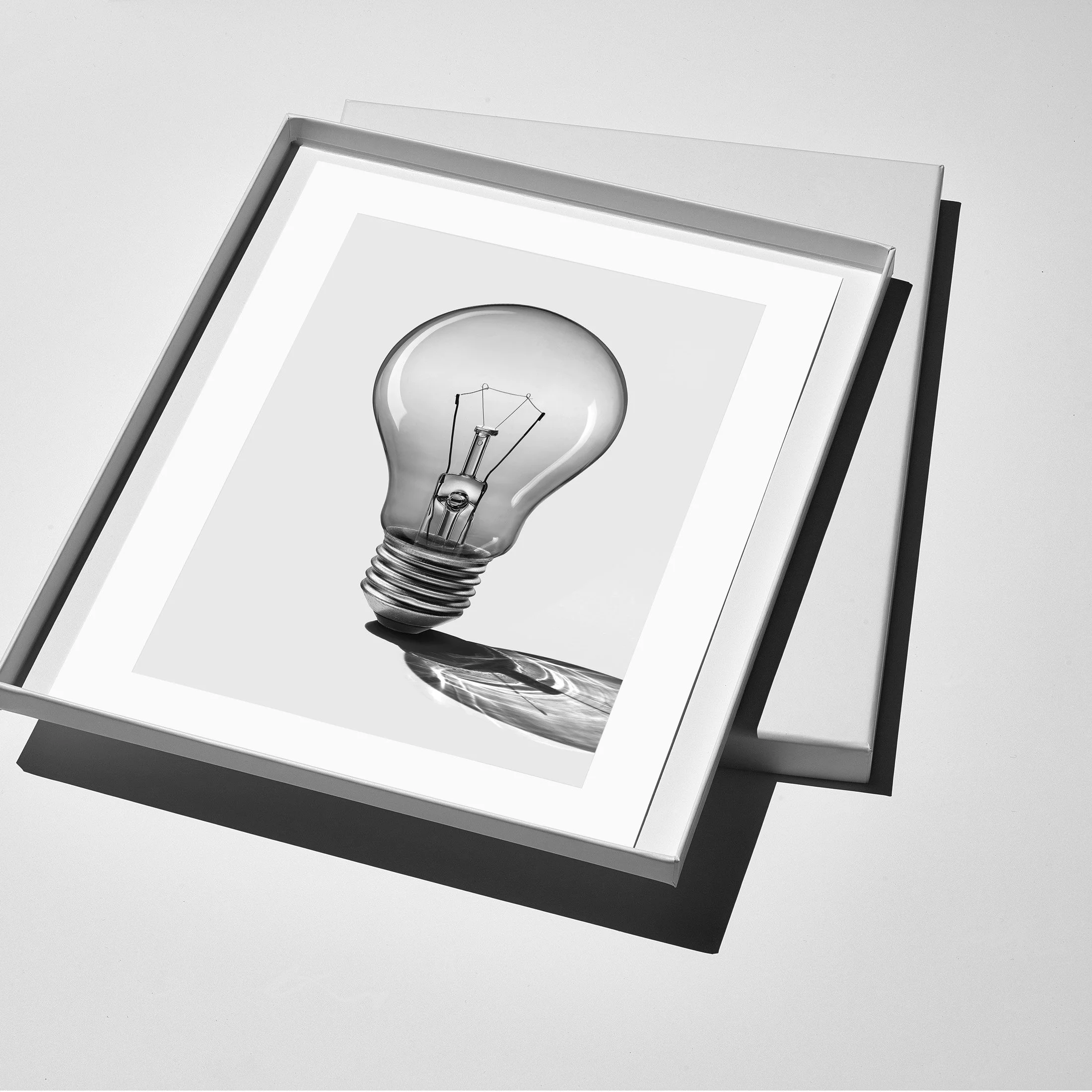
The delay between the light bulb’s invention by Edison in 1879 and its everyday use in the 1930’s can be attributed to large scale manufacture of stable light bulbs was extraordinarily difficult. Inventors struggled to find materials that could survive the extreme heat required to produce light without burning out instantly. Edison famously viewed the process as a hunt of elimination, stating that genius is 1% inspiration and 99% perspiration. In addition, a massive infrastructure was required to build power plants to supply every home
Electric light was the primary catalyst that necessitated the creation of a national grid. Electricity started to reach many London homes by 1925.
The establishment of the National Grid in the UK (1933) and the rollout of large-scale power stations allowed electricity to be distributed beyond city hubs. By the 1930’s, electricity became “standard equipment” for all new house builds.
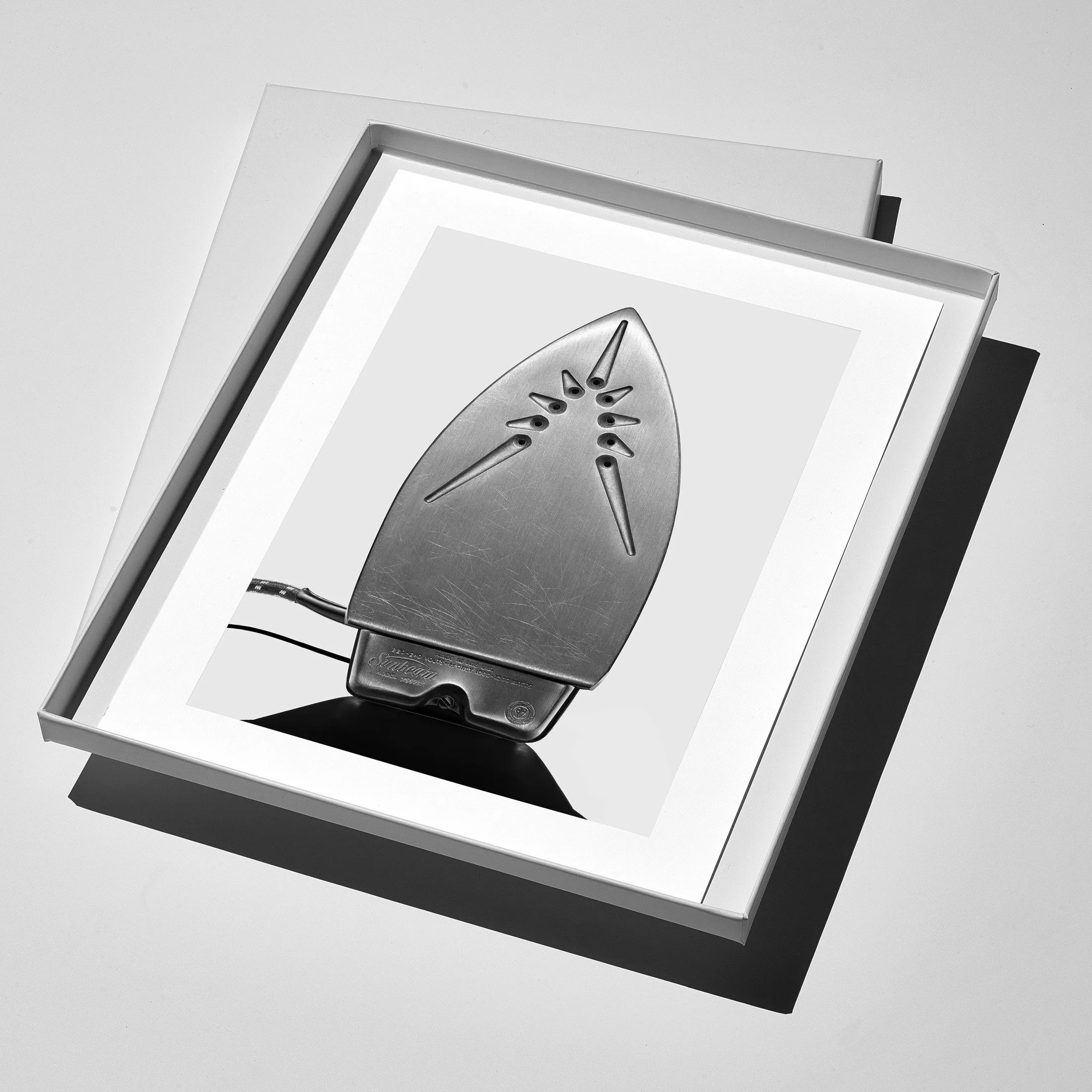
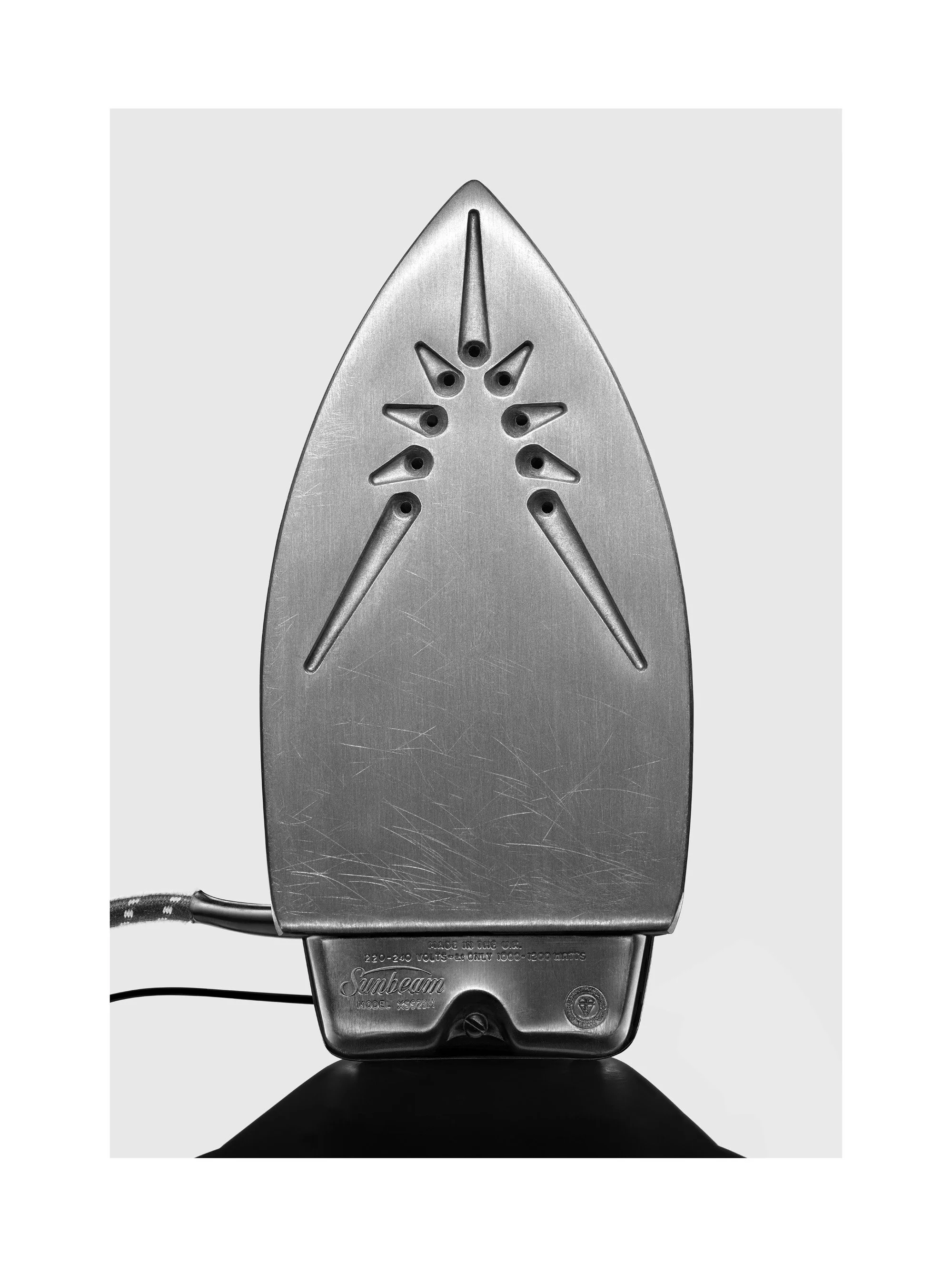
With such a huge investment in the grid, to make it profitable, people needed to use electricity all day, not just for lights at night. This triggered a design revolution with a wave of popular electrical appliances like radios, vacuum cleaners, and irons, which shifted electricity from a “lighting-only” to an essential utility. Electricity boards opened high-street showrooms to “seduce families into buying these labour-saving gadgets.
The Print:
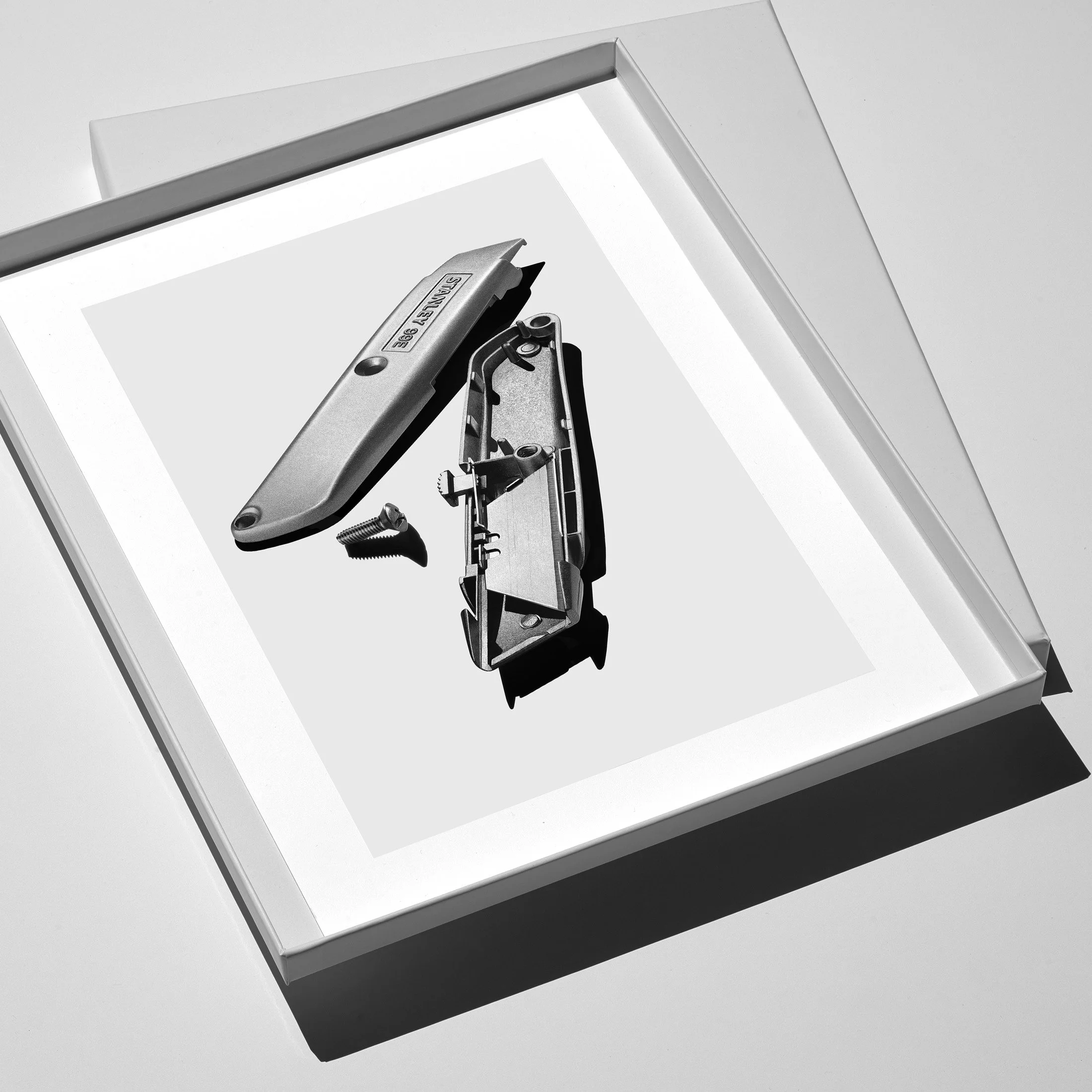
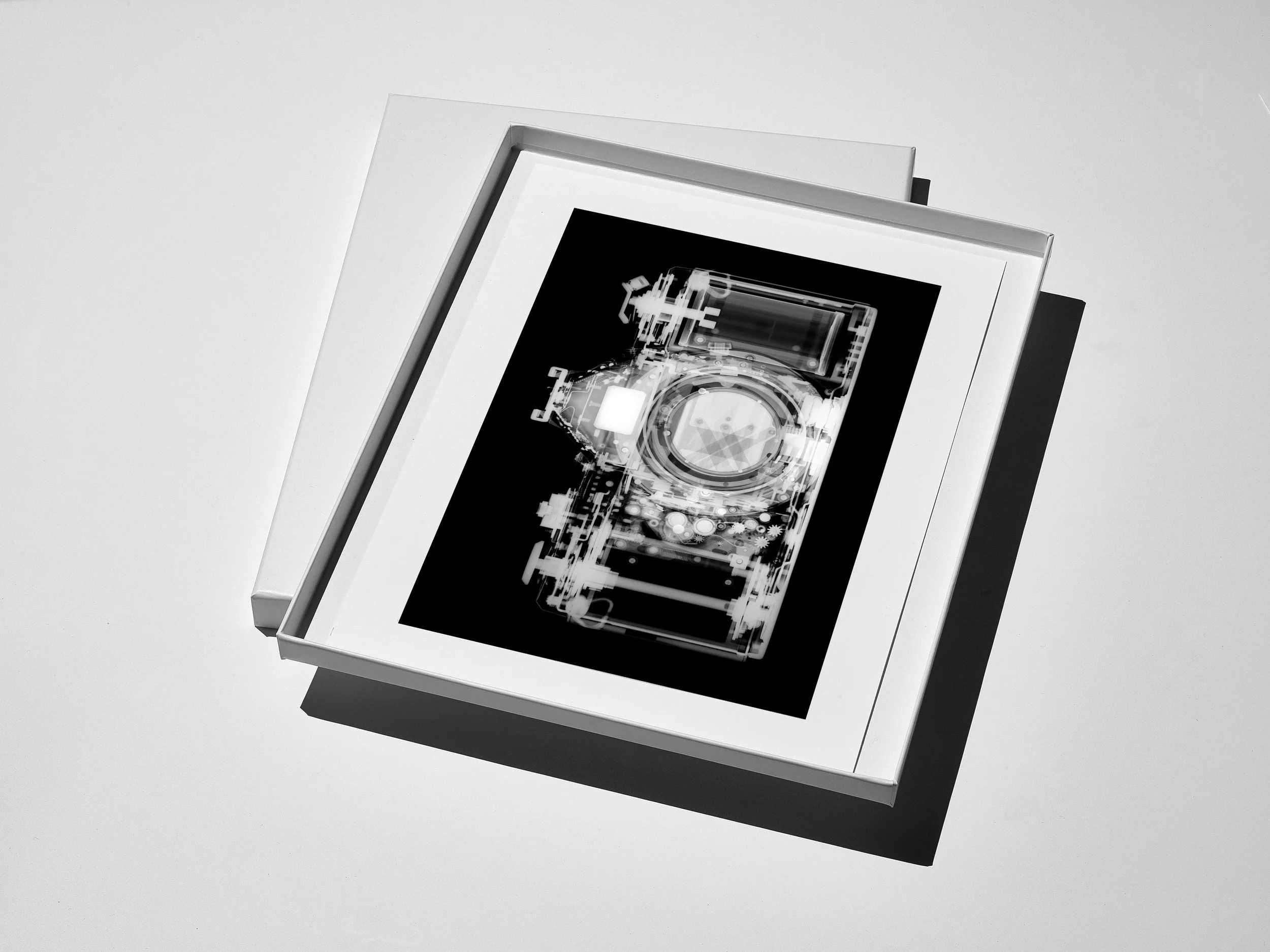
Every ICONICA EDITIONS print is a museum-grade fine art giclée, printed on archival 100% cotton rag paper for unparalleled longevity and a beautifully matte, texture-rich finish. The 12×16-inch prints are presented in a protective white display box, ready to frame. Larger sizes are presented in a tube.
BESPOKE REQUESTS:
All Iconica Edition prints are available in larger sizes, if you would like to discuss a bespoke print size, please complete the form: